Toy Rotation: How to Do It (and Why Kids Play Better With Fewer Toys)

Toy rotation means keeping only a small selection of toys out at a time and storing the rest out of sight. Every week or two, you swap some of them. The toys stay the same, but to your child they feel new again, and the play room stops looking like a toy store exploded.
It works because children tend to play longer and more creatively when they have fewer choices in front of them. Below you'll find the research behind that, a step-by-step system you can set up in an afternoon, a sample rotation schedule table, and tips for babies through school-age kids.
Why fewer toys can mean better play
The University of Toledo toy study
The best-known study on this question came from occupational therapy researchers at the University of Toledo. They invited 36 toddlers aged 18 to 30 months into a playroom twice: once with 4 toys and once with 16. The work was published in Infant Behavior and Development under the title "The influence of the number of toys in the environment on toddlers' play".
According to the university's summary, with fewer toys children played about twice as long with each toy and found more ways to use it. In the 16-toy room, many children touched 10 or more toys in the first 15 minutes, moving quickly from one to the next. With 4 toys, they stayed longer and got more inventive, for example hammering, feeding or hiding a toy rather than only stacking or tipping it.
The lead investigator's advice to parents was practical: "Save some for later and swap them out." That is toy rotation in a sentence.
What the study does and doesn't tell us
- It was a small lab study with toddlers, over short play sessions.
- It shows how the number of toys affected play in that moment. It doesn't prove long-term effects on development.
- It doesn't tell you the "right" number of toys for your home. Four was simply the smaller condition tested.
Even so, the finding lines up with what many parents and teachers notice, and with other guidance. The American Montessori Society, for example, advises families to rotate extra toys to maintain interest and keep the space neat.
Other benefits parents notice
- Faster cleanup. Ten toys are easier to put away than sixty.
- Less overwhelm. Some kids get scattered or cranky in a cluttered room.
- Fewer "I'm bored" moments. Toys that return after a break get fresh attention.
- Less buying. You see what you have, and often realize you don't need more.
- Better insight. You learn what your child really plays with.
How to set up toy rotation: step by step
Step 1: Gather every toy
Collect toys from every room, the car and the toy box into one spot. It's often a surprise how many there are. Do this while your child is asleep or out, so you can sort without negotiation.
Step 2: Cut the clutter first
- Toss: broken toys, toys with missing pieces, dried-out markers.
- Donate: toys your child has outgrown or never touches.
- Check for safety: remove anything with loose small parts, frayed cords, or exposed batteries. Our age-appropriate toys guide explains the small-parts rule and why loose magnets and button batteries are a serious danger for young children.
Step 3: Sort what's left into categories
Group toys by the kind of play they invite. This makes it easy to build a balanced set each time.
| Category | Examples |
|---|---|
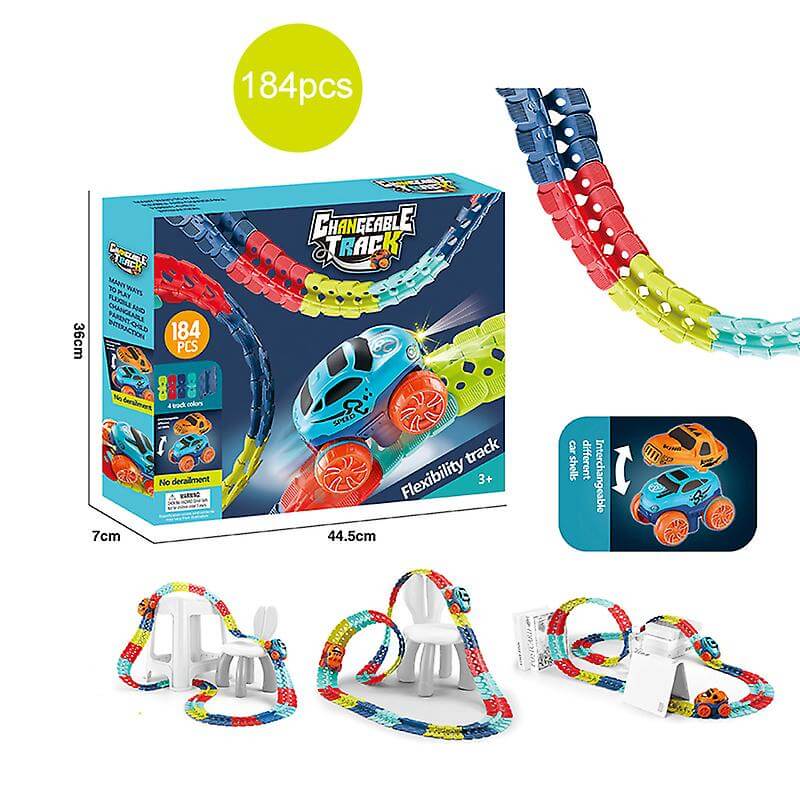
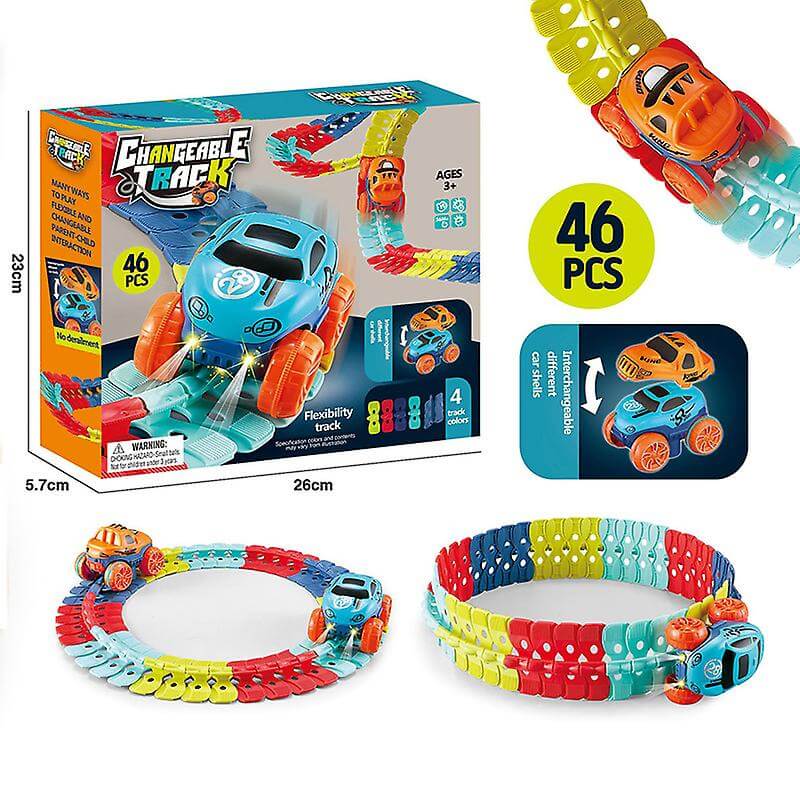
| Building | Blocks, stacking cups, magnetic tiles (age 3+), tracks |
| Pretend play | Play kitchen, dolls, animals, dress-up, vehicles |
| Puzzles and problem-solving | Puzzles, shape sorters, matching games |
| Fine motor | Busy boards, lacing, playdough tools, pegboards |
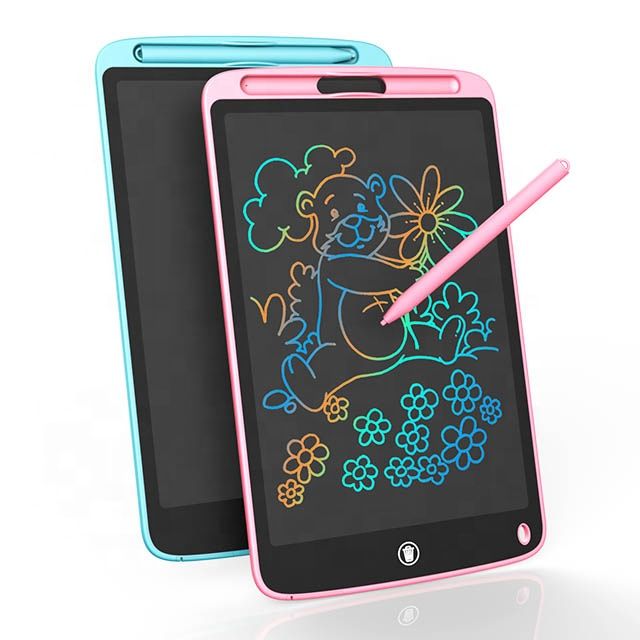
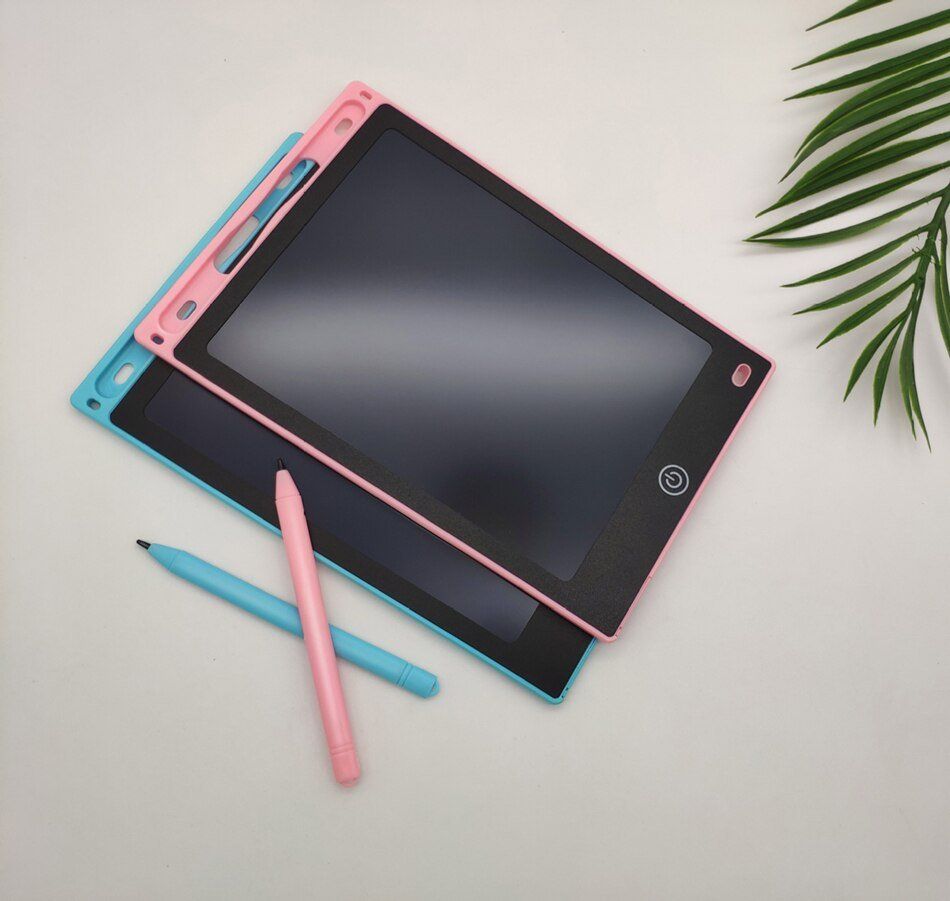
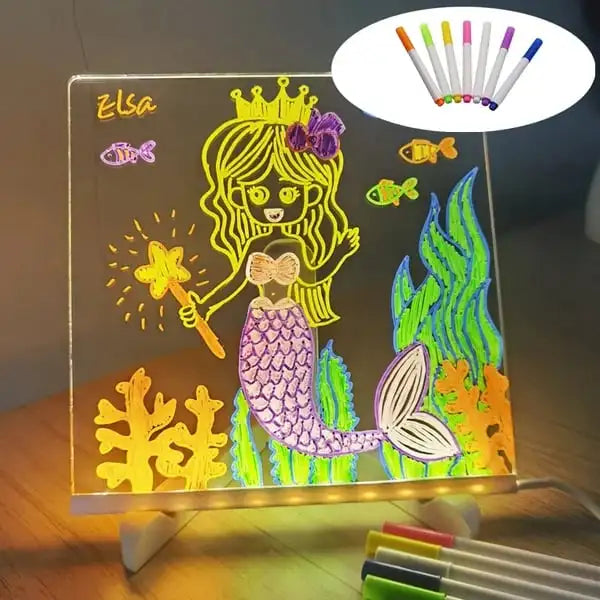
| Art and writing | Crayons, drawing pads, stickers, felt boards |
| Movement | Balls, ride-ons, tunnels, play tents |
| Books and language | Board books, flash cards, story sets |
Step 4: Divide into sets
Split the toys into 3 to 5 sets. Each set should have one or two items from most categories. A good starting size:
- Babies (0–12 months): 4–6 toys out at a time
- Toddlers (1–3 years): 6–10 toys
- Preschoolers (3–5 years): 8–12 toys
- School-age (6–9 years): often 10–15, plus ongoing projects
These are practical starting points, not research rules. Adjust to your space and your child. Count a set of blocks or a puzzle as one item.
Step 5: Store the rest out of sight
Use lidded bins or opaque bags in a closet, the garage or under a bed. Label each one "Set A," "Set B" and so on. Out of sight matters. If children can see the bins, they will ask for them.
Step 6: Display one set simply
Put the active set on a low, open shelf with space between items. Use small baskets or trays for anything with pieces. A child should be able to see every choice at a glance and know where each toy goes back.
Step 7: Watch, then swap
Every 1–2 weeks, look at what's being played with. Keep the favorites, rotate out what's ignored, and bring in a few items from the next set. You don't have to replace everything at once.
Step 8: Keep "anchors" out all the time
Some things don't need to rotate: a comfort item, a few favorite books, basic art supplies and open-ended staples like blocks. These give continuity while the rest changes.
Sample toy rotation schedule
Here's an example four-week cycle for a 3- to 4-year-old using four sets. Swap on the same day each week (Sunday evening works well) so it becomes routine.
| Week | Building | Pretend | Puzzles / thinking | Creative | Movement / big play |
|---|---|---|---|---|---|
| Week 1 (Set A) | Wooden blocks | Play kitchen and food | Shape matching game | Crayons and paper | Ball |
| Week 2 (Set B) | Magnetic tiles | Animal figures and a box "barn" | Wooden jigsaw puzzle | Felt story board | Play tent |
| Week 3 (Set C) | Car track | Dress-up clothes | Memory matching game | Water drawing mat | Pillows for an obstacle course |
| Week 4 (Set D) | Stacking cups and blocks mixed | Dolls and doctor kit | Lacing cards | Playdough and tools | Bean bag toss |
Always out: favorite books, a stuffed animal, basic art supplies. If one toy is a big hit, keep it out an extra week. Rotation should follow your child's interests, not the calendar.
Toys that rotate well
Open-ended toys that can be used many ways tend to stay interesting after each break. A few examples from our shop, for ages 3 and up:
- DIY Felt Board, a felt story board that comes in farm, zoo, underwater, animal and dinosaur themes. Rotating themes alone can keep it fresh.
- Magnetic Tiles for building. Keep these for ages 3 and up, and check tiles regularly for cracks so magnets can't come loose.
- Tent Building Kit, for building forts and tunnels, a great "big play" set for rainy weeks.
- Shape Matching Game for a thinking-and-matching slot.
- A3 Tree of Life Wooden Puzzle for older kids and family puzzle time. Its pieces are small, so keep it away from younger siblings.
You'll find more ideas for this age range in our toys for ages 3–9 collection. And you don't need special toys at all. The American Academy of Pediatrics notes that the best toys need not be flashy or expensive or come with an app. Boxes, pots and pans, and scarves rotate beautifully too.
Toy rotation by age
Babies (0–12 months)
Lay a few toys on a play mat rather than on a shelf. Rotate more often, even every few days, since babies change fast. Mix textures: a soft book, a rattle, a stacking cup, a teether.
Toddlers (1–3 years)
This is where rotation shines. Toddlers are easily overwhelmed and love "discovering" a toy that returns. Keep sets small and include one simple fine motor toy, like a busy board or shape sorter.
Preschoolers (3–5 years)
Involve them. Let them help choose one toy to come out and one to "go on vacation." Pretend play sets become more elaborate, so consider rotating by theme (restaurant week, vet week, building site). For ideas, see our post on pretend play benefits and ideas.
School-age (6–9 years)
Older kids often play with longer projects, like a building set or craft kit that stays out for weeks. Rotate the extras around those projects, and let your child have a bigger say. A "one in, one out" rule for new toys helps here.
Troubleshooting common problems
- "Where's my truck?" If a child asks for a stored toy, get it out. Rotation is a tool, not a punishment. Then swap something else back into storage.
- Siblings of different ages. Keep a separate shelf or high shelf for older kids' toys with small parts or magnets. Rotate each child's set independently.
- Gifts after birthdays and holidays. Don't put everything out. Add one or two new toys, store the rest, and bring them into future sets.
- Your child ignores a whole set. That's useful information. Donate what never gets played with, or try it again in a few months.
- No storage space. Use one large bin per set and stack them in a closet. Even two sets is better than none.
Rotation also helps children settle into longer stretches of play on their own. Our guide to independent play builds on this.
FAQ
How often should I rotate toys?
Every one to two weeks works for most families. Babies may benefit from more frequent swaps, while older kids with long projects may need less. Watch your child's interest rather than sticking rigidly to a schedule.
How many toys should a toddler have out?
A good starting point is 6 to 10 items, counting a set of blocks or a puzzle as one. In the University of Toledo study, toddlers played longer and more creatively with 4 toys than with 16. Adjust based on your space and how your child responds.
Does toy rotation really work?
Research on fewer toys supports the idea: toddlers in a lab study played longer and in more varied ways with fewer toys available. Many parents also find it cuts cleanup time and reduces boredom. Results vary by child, so give it two or three weeks before judging.
What should I never rotate?
Keep comfort items, a few favorite books and basic art supplies out all the time. Children need some things that stay the same. Anything your child is currently deeply engaged with should also stay out.
Is toy rotation Montessori?
It's a core part of Montessori-inspired homes, where a few activities sit on a low shelf and are changed as the child's interests develop. But you don't need to follow Montessori to use it. See our guide to Montessori at home on a budget if you'd like to go further.
Should I tell my child I'm rotating toys?
For toddlers, it usually isn't needed. Toys simply appear and disappear. Preschoolers and older kids often enjoy helping, so explain that some toys are "taking a rest" and let them choose what comes back.
Bottom line
Toy rotation is one of the easiest changes you can make at home. Gather the toys, cut the clutter, split them into a few balanced sets, and swap every week or two. You'll likely see longer, calmer, more creative play, and a lot less cleanup. If you're filling gaps in your sets, our ages 3–9 collection has open-ended options worth a look.