Best Toys for 5- and 6-Year-Olds

The best toys for 5 year olds and 6-year-olds give them something real to work at: a game with rules, a project with steps, a story to tell, or a skill to practice outside. Board and card games, bigger building sets, craft kits, simple science tools, writing and drawing supplies, and sports gear all fit this stage well. Kids this age want to make things that actually work, and they want you to see them do it.
This guide covers the kindergarten and early first-grade years, organized by skill. For the background on age labels and the safety rules that apply to every age, see our hub guide, Age-Appropriate Toys: How to Choose the Right Toy at Every Age. Here, we'll focus on what's new at 5 and 6 and how toys can support it.
What 5- and 6-year-olds are learning right now
The CDC's 5-year milestone checklist describes a child who is ready for structure. Most 5-year-olds:
- Follow rules or take turns when playing games with other children
- Sing, dance or act for you
- Do simple chores, like matching socks or clearing the table
- Tell a story with at least two events, and answer simple questions about a story
- Keep a conversation going with more than three back-and-forth exchanges
- Use or recognize simple rhymes
- Count to 10 and name some numbers between 1 and 5
- Use time words like "yesterday," "tomorrow" and "morning"
- Pay attention for 5 to 10 minutes during activities like story time or crafts
- Write some letters in their name and name some letters
- Button some buttons and hop on one foot
By 6, the picture keeps growing. HealthLinkBC's guide to milestones for 6-year-olds notes that children this age start to understand cause and effect, are developing a sense of humor, speak with correct grammar most of the time, and can spell their first name and write some letters and numbers. It also says 6-year-olds want their parents to play with them. That's worth remembering when you're tempted to hand over a toy and walk away.
Toys for gross motor skills: real sports and active play
Hopping, skipping, catching and kicking all get smoother now. Many children are ready for a pedal bike, a scooter or their first team sport. Toys that let them practice a real skill, and see themselves improve, are very motivating.
- Bat, ball and catching gear. A baseball training set turns a backyard or park into a place to practice batting, catching and throwing.
- Bikes and scooters. Always with a helmet. For scooters and skates, add knee and elbow pads.
- Jump ropes and hopscotch chalk. These are cheap and build rhythm, balance and counting all at once.
- Kick-and-target games. A small soccer goal or a target on the fence makes practice feel like a game.
Toys for fine motor skills: letters, crafts and careful hands
Kindergarten asks a lot of small hands: holding a pencil, cutting on a line, gluing, and writing letters. Toys that make that practice fun can take pressure off the school day.
- Letter and number tracing. The Calligraphy Book set includes four books for tracing numbers, letters and shapes. Keep sessions short, five or ten minutes, and stop before frustration sets in.
- Bead and jewelry kits. A DIY bracelet set with beads and charms builds pincer control and patterning. The beads are small, so store the kit out of reach of younger siblings.
- Cutting and gluing. Child-safe scissors, glue sticks and old magazines are a classic for a reason.
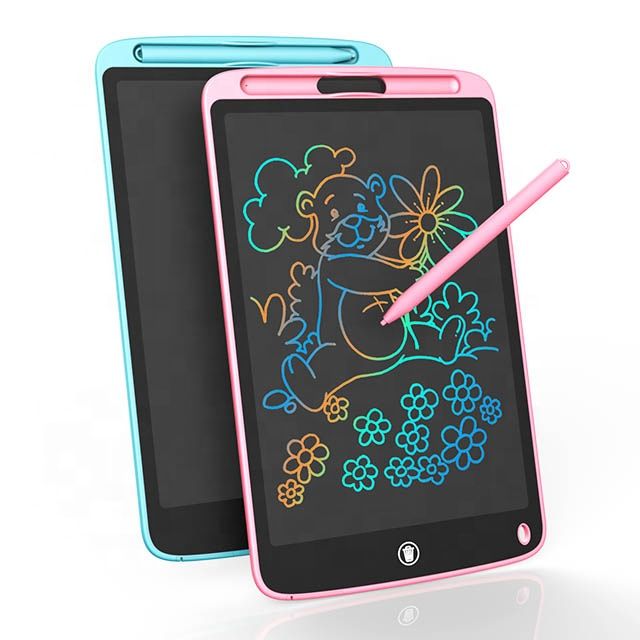
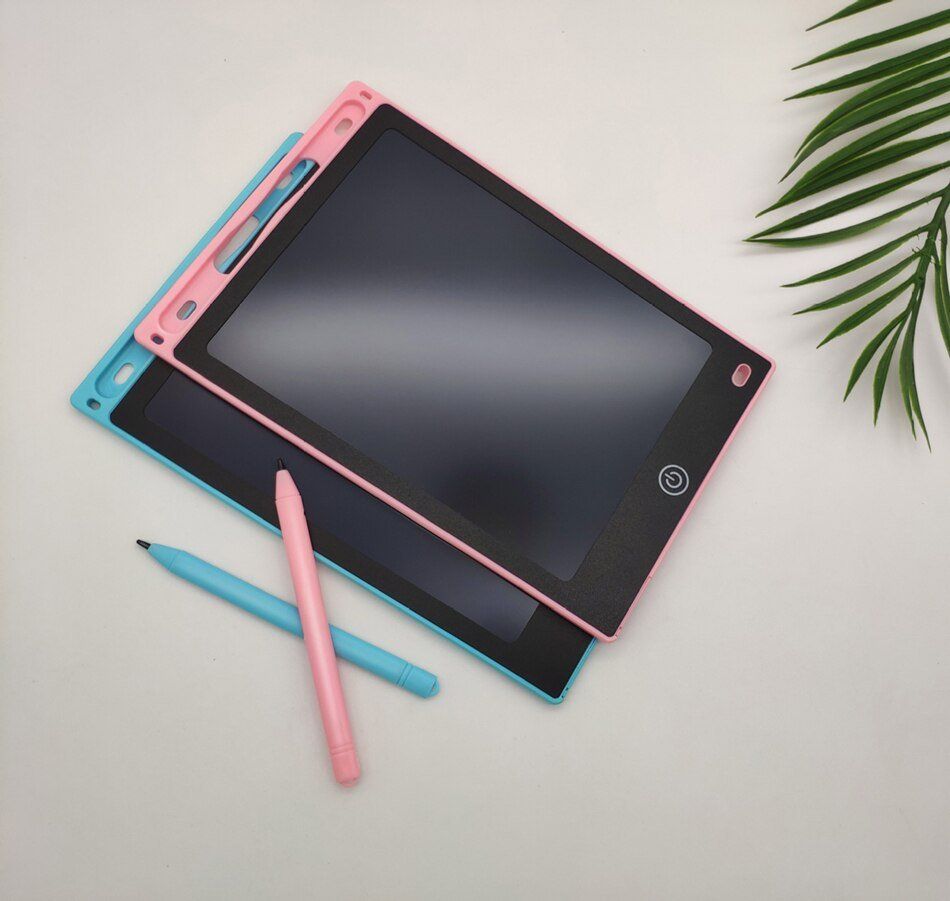
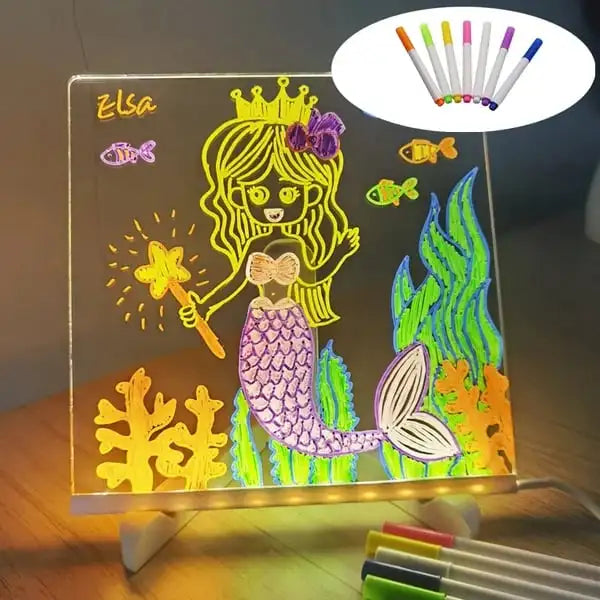
- Drawing and painting. A good set of markers, crayons and big paper, plus a spot on the wall for the art.
- Construction sets with smaller pieces. Interlocking bricks and detailed building kits ask for more precise fingers than toddler blocks.
Our post on fine motor skills and school readiness explains why this matters for reading and math.
Toys for language: stories, rhymes and humor
At 5 and 6, children tell stories with a beginning, a middle and an end, and they love jokes, silly rhymes and riddles. Toys that set up storytelling give them a reason to use all those new words.
- Story dice or story cards. Roll or draw a few pictures and make up a tale that uses all of them.
- Puppets and a simple stage. A cardboard box with a curtain is enough. Kids this age love to perform.
- Kids' cameras. Taking photos on a walk, then telling the story of the walk, is a great language activity.
- Joke and riddle books. Read them aloud together. Explaining why a joke is funny is real thinking.
- Rhyming and letter games. "I spy something that starts with B" works anywhere and needs no toy at all.
Toys for thinking: games, building and science
This is the age when real board games become fun for the whole family. Children can follow rules, wait their turn and remember what happened two turns ago. They also love to test how things work.
- Memory and strategy games. The wooden memory chess game asks players to roll a color die and remember where matching pieces are hidden. It's a quick game for parent and child. Small parts, so keep it away from under-3s.
- Classic card and board games. Go Fish, Uno-style color matching, Memory, Snakes and Ladders and simple dominoes. The AAP's toy guide notes that traditional card and board games encourage interaction.
- Simple science tools. A kids' pocket microscope lets children look closely at leaves, bugs, fabric and stones. Pair it with a notebook for drawing what they see.
- Coding-style toys. The Magic Drawing Car follows a line your child draws on paper. Kids quickly start testing: What if the line curves? What if it stops? That is early cause-and-effect thinking.
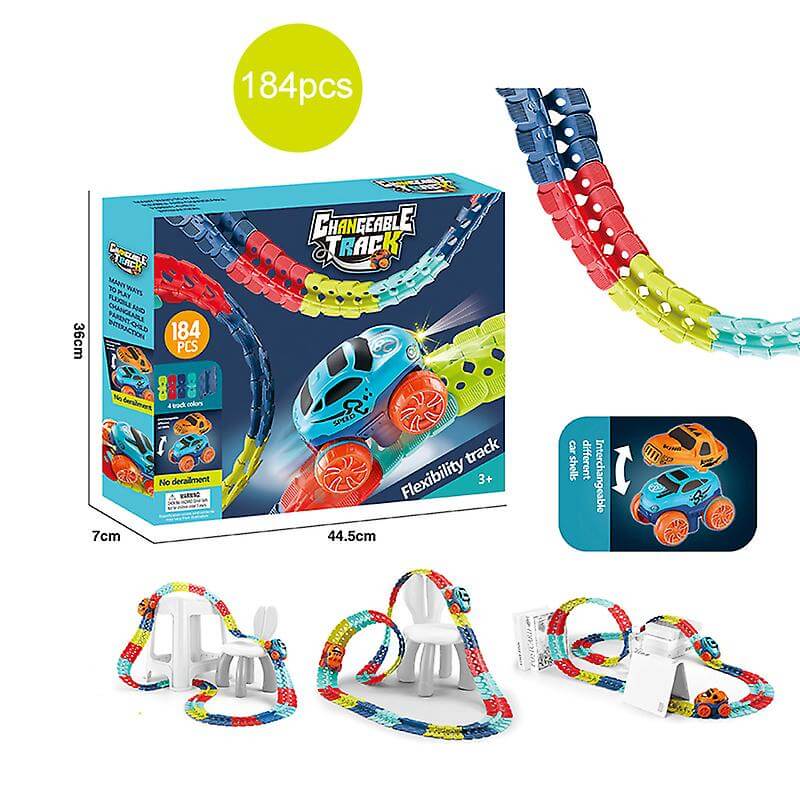
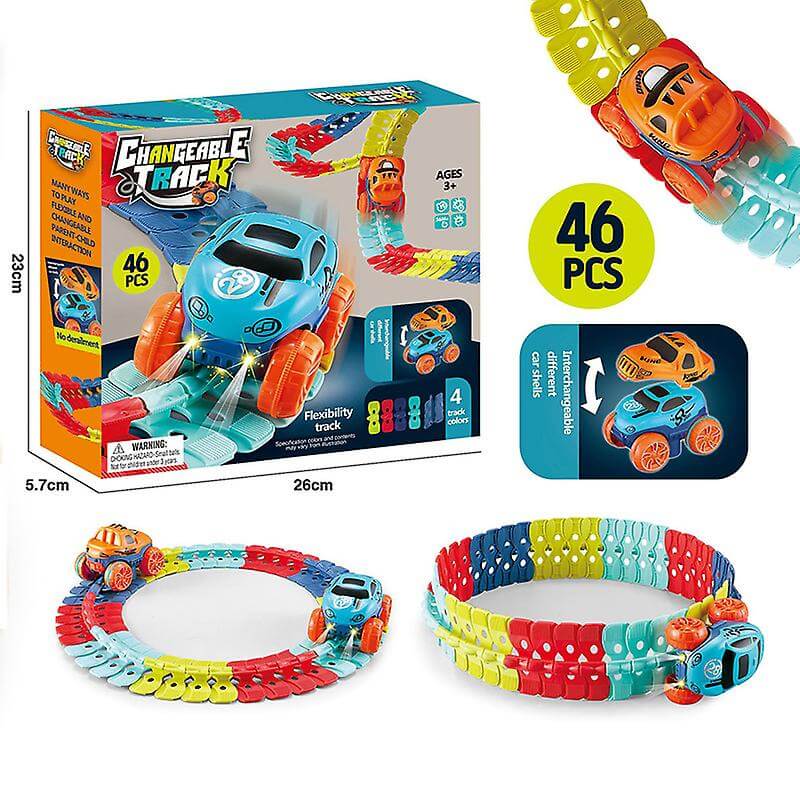
- Bigger building projects. Magnetic tiles, marble runs and track sets with many pieces let kids plan, test and fix.
For more on this kind of play, see our guide to STEM toys for kids.
Toys for social and emotional skills: teamwork and pretend
Pretend play doesn't disappear at 5. It gets more detailed. Children set up shops, schools, hospitals and space missions, often with long negotiations about the rules. The AAP's Power of Play article says that for children this age, activities involving music and art support cognitive, social-emotional and multisensory skills. It also reminds parents that some boredom allows for creativity.
- Pretend shops and play money. Counting coins and making change is real math wrapped in a game.
- Dress-up with props. Costumes plus a clipboard, a toy stethoscope or a chef's hat.
- Cooperative games. Games where everyone wins or loses together take the sting out of losing.
- Music and dance. Simple instruments, a playlist and a living room "stage."
- Helping jobs. Real tasks like setting the table, watering plants or sorting laundry. These are on the CDC list for a reason.
Skill-by-skill toy guide for ages 5 and 6
| Skill area | What you might see | Toy types that fit | Play idea |
|---|---|---|---|
| Gross motor | Hopping, skipping, catching, riding a bike | Bat-and-ball sets, bikes, jump rope, goals | Backyard "training camp" with three stations |
| Fine motor | Writing letters, buttoning, cutting, beading | Tracing books, bead kits, scissors, detailed building sets | Make a bracelet in a repeating color pattern |
| Language | Stories with events, rhymes, jokes | Story cards, puppets, kids' camera, joke books | Photo walk, then a five-picture story |
| Thinking | Counting, rules, cause and effect, longer focus | Board and card games, microscope, line-following car, marble runs | Draw a maze for the line-following car |
| Social and emotional | Turn-taking, chores, group pretend | Pretend shop, cooperative games, dress-up, instruments | Run a family "store" with price tags |
What to skip at this age
- Kits labeled well above your child's age. An 8+ or 10+ kit usually means more steps, smaller parts or tools that need more skill. The result is often frustration, not challenge.
- Toys that promise to "make your child smarter." The AAP says toys with a digital platform are not inherently more educational, and many interactive products make educational claims it considers unsubstantiated.
- Screen-heavy "learning" gadgets. Face-to-face play and hands-on projects do more at this age. Our guide for ages 7 to 9 covers when more tech-based toys start to make sense.
- Balloon toys without an adult. The CPSC advises that children under 8 shouldn't play with uninflated balloons without supervision.
- Hot or heated craft tools used alone. Low-temperature 3D pens and similar tools can be fun around 6, but only with an adult right there.
- Small parts around younger siblings. Many of the best toys for this age have small pieces. Set up a "big kid" table or bin with a lid.
How to choose: a quick checklist
- Does it have a goal or a challenge? Kids this age like to finish things.
- Can my child do most of it alone? A little help is fine. Constant help means it's too advanced.
- Will it grow with them? Games with simple and advanced rules, or building sets that combine, last longer.
- Can we play it together? The best gifts for this age often turn into family rituals.
- Does the age label fit? Check it, especially for kits with tools, heat or tiny parts.
Frequently asked questions
What are the best toys for 5-year-olds?
Simple board and card games, bigger building sets, craft and bead kits, drawing and tracing supplies, beginner science tools, and sports gear match what 5-year-olds are learning. Look for toys with a clear goal and room to get better at them.
What should I buy a 6-year-old who has "everything"?
Try an experience-style toy: a kids' camera for a family photo project, a microscope for backyard exploring, or a new family game for a weekly game night. Toys that come with time together tend to be the most used.
Should toys for kindergartners be educational?
Most good toys are educational without saying so. Games teach counting and turn-taking, crafts build hand control, and pretend play builds language. You don't need workbook-style toys to support school skills.
How long should a 5-year-old play on their own?
It varies, and short stretches are normal. The CDC lists paying attention for 5 to 10 minutes during activities as a 5-year milestone. Engaging, open-ended toys and a calm space can help that time grow.
Is it OK if my 6-year-old still loves pretend play?
Yes. Pretend play stays valuable well into the school years and often gets more complex, with rules, roles and long story lines. If you have questions about your child's development, your pediatrician is a good person to ask.
The bottom line
Five- and six-year-olds are ready for real rules, real projects and real skills. The best toys give them a game to master, something to build or make, a story to tell and a way to move, ideally with you joining in some of the time. Check the label, keep small parts away from younger siblings, and choose a few things that will grow with your child.
If you'd like to look around, our toys for ages 3–9 collection has options for this stage.