Best Toys for 7- to 9-Year-Olds

The best toys for 8 year olds (and for 7- and 9-year-olds) are the ones that match a real interest and offer a real challenge. At this age, kids can follow multi-step instructions, stick with a project for longer, and play games with proper rules. So the right toy is less about the age on the box and more about what your child already loves: building, experimenting, making, moving or competing.
This guide is sorted by those five interests. Each section explains what kids this age get out of that kind of play, what to look for, and a few specific ideas. It is one part of our wider guide to age-appropriate toys from 0 to 9, which covers age labels and safety rules in more depth.
What changes between 7 and 9
Seven to nine is a big stretch. A just-turned-7 child may still want lots of help. A 9-year-old often wants to do it alone and prove it. A few patterns are worth knowing before you shop.
- Longer projects. Kids can now work on something across several sittings. Toys that can be built, taken apart and rebuilt hold their value for months.
- Real rules. Board games, card games and strategy games start to click. Kids also start to care a lot about winning, and about fairness.
- Friends matter more. Toys that work with two or more players get used more at playdates and with siblings.
- Skill pride. Kids this age like to get visibly better at something. Toys with levels, harder challenges or a "skill" to practise are a good fit.
Play still does a lot of work at this age. The American Academy of Pediatrics notes that research shows play can improve children's abilities to plan, organize, get along with others and regulate emotions. You do not need a special "educational" toy for that. You need a toy your child will actually return to.
Quick picks by interest
| If your child loves... | Look for | Good fits | Watch out for |
|---|---|---|---|
| Building | Open-ended sets with enough pieces for big builds | Magnetic tiles, marble or rail mazes, fort kits | Magnets around younger siblings |
| Science | Real tools, not just "science-themed" packaging | Pocket microscope, kits with clear experiments | Kits that are one-and-done |
| Art | Materials that allow choices, not only colouring in | 3D pens, bead and bracelet kits, diamond painting | Heat, small beads, supervision needs |
| Movement | Games that work in a backyard or a hallway | Laser tag, sports trainers, throw-and-catch toys | Helmets for anything with wheels |
| Games | Rules a child can learn, then teach to others | Memory games, logic mazes, strategy board games | Games that are too long for their patience |
For builders
Builders like to see a plan turn into something real. By 7 to 9, they can follow a picture, then go off-script and design their own. The best building toys let them do both.
What to look for
- Enough pieces. A small starter set gets frustrating fast. Kids this age want to build tall, wide and complicated.
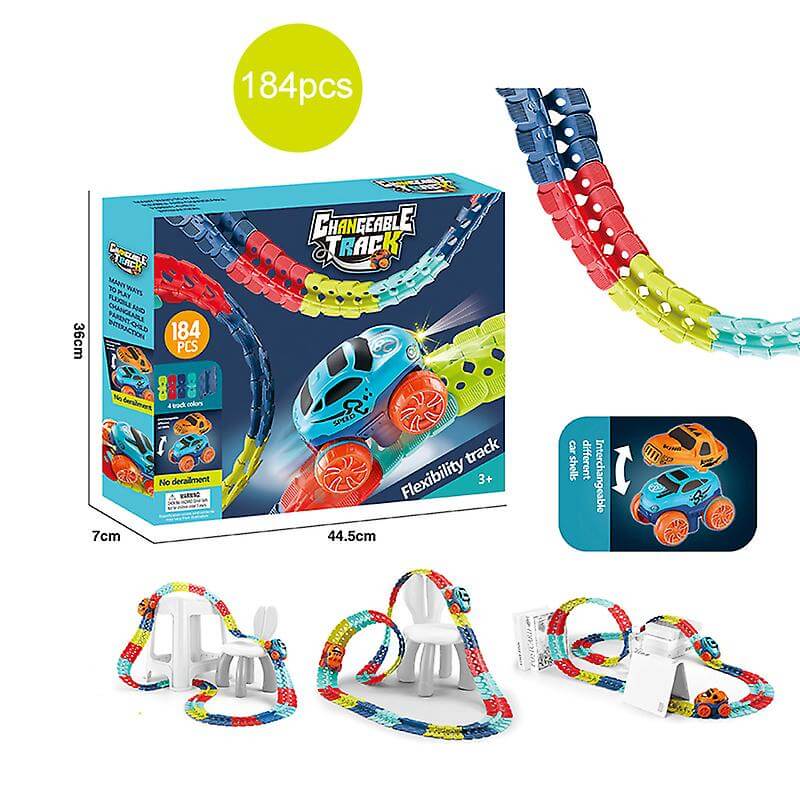
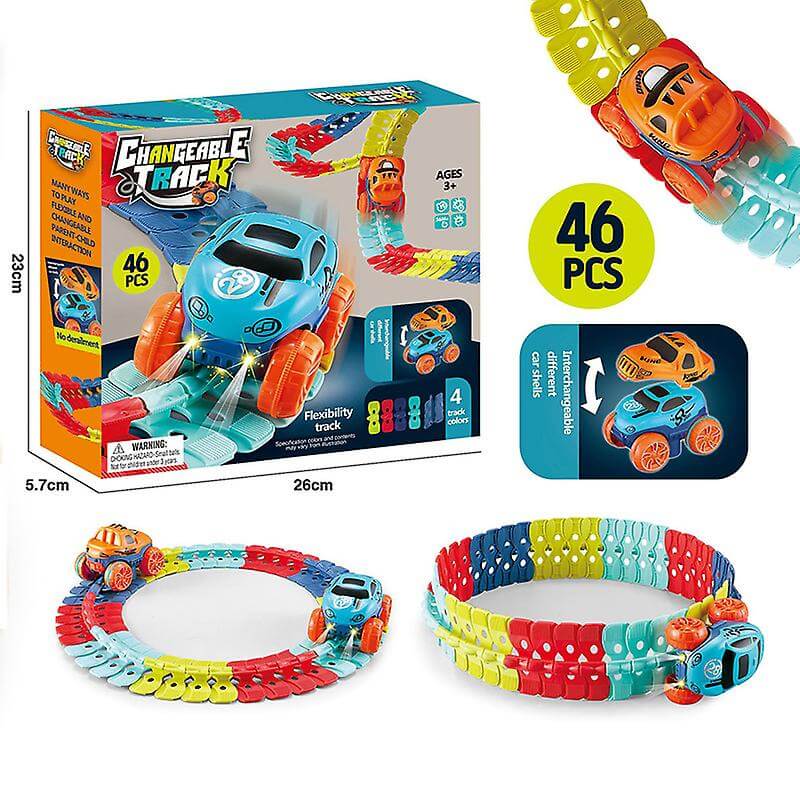
- Something that moves. Ramps, tracks and moving cars add a test: does it work? That turns building into problem-solving.
- Easy to combine. Sets that work with what you already own get more use.
Ideas
- Magnetic tiles still work well at this age. Older kids build 3D structures, marble runs and garages for toy cars, not just flat shapes.
- The Smart Magnetic Rail Car Maze is an 84-piece set where kids design a track and an electric car follows it. It is a good next step for kids who loved simple train tracks.
- A fort or tent building kit turns the living room into a design challenge. It works well for siblings building together.
Magnet note: Toys with enclosed magnets are fine for this age, but check them now and then for cracks. Keep any loose magnets away from toddlers and preschoolers in the house. HealthyChildren.org warns that high-powered magnets can cause serious harm if they come loose and are swallowed.
For scientists
Young scientists ask "why?" all day. A good science toy lets them find out for themselves. Look for a real tool they can take outside, rather than a kit that runs out after one experiment.
What to look for
- Repeat use. A microscope or magnifier can be used on leaves, salt, fabric and bugs for years. A single-use volcano kit cannot.
- Something to record. A notebook for drawings and guesses turns play into proper observation.
- Room to be wrong. The best science play includes guesses that turn out to be wrong. That is the point.
Ideas
- The Kids Pocket Microscope is a small LED microscope that fits in a pocket or a backpack. Pair it with a "what did you see?" notebook.
- Simple physics toys, like a balloon-powered car, show how air and force work. Balloons carry a choking risk for children under 8, so an adult should handle inflation and clean-up, especially if younger siblings are around.
- Kitchen science is free. Try dissolving, freezing and floating tests with what is in the cupboard.
For more on what makes a science toy worth buying, see our STEM toys guide.
For artists
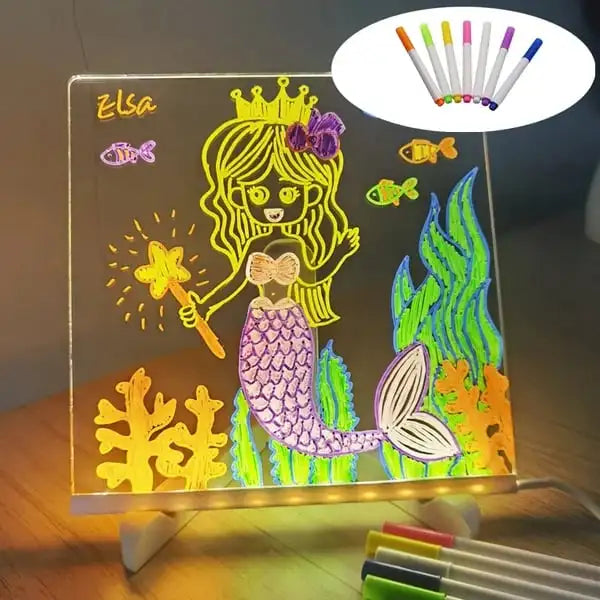
Many 7- to 9-year-olds move past "colour this in" and want to make things that look good to them. They become more critical of their own work, too. Art toys that give quick, satisfying results help them keep going.
What to look for
- Real choices. Colours, shapes and designs the child picks, not a fixed template.
- Something to keep or give. Bracelets, decorations and gifts give art a purpose.
- A manageable mess. A tray or mat makes it easier to say yes to art on a school night.
Ideas
- The Low Temperature 3D Printing Pen lets kids draw shapes that stand up off the page. It still heats filament, so set it up at a table with an adult nearby, especially for the first few sessions. Our 3D pen guide for kids covers first projects and setup.
- A bead and bracelet kit, like the DIY Bracelet Set, is a classic for this age. Bracelets make easy gifts for friends. Small beads are a choking hazard, so keep them away from children under 3.
- Diamond painting sticker kits suit patient, detail-loving kids and are calm, quiet projects for a rainy afternoon.
For movers
Some kids think best when they are moving. Active toys are not just a way to burn energy. They are often the toys that get friends, siblings and parents playing together.
The CDC says children and teens aged 6 to 17 need 60 minutes or more of moderate-to-vigorous physical activity each day. Active toys make it easier to reach that on days without sports practice.
What to look for
- Works in your space. Be honest about whether play will be in a big yard or a small apartment hallway.
- Two or more players. Games with a partner or a team get played more often.
- A skill to practise. Kicking, catching or aiming gives kids a way to see progress.
Ideas
- The NeonGun Laser Tag Set comes in 2-player and 4-player versions with light-up blasters and hit sensors. Agree on house rules first: a clear play area, no running on stairs, and no aiming at faces.
- A soccer training belt lets kids practise kicking and passing alone, with the ball returning on a cord.
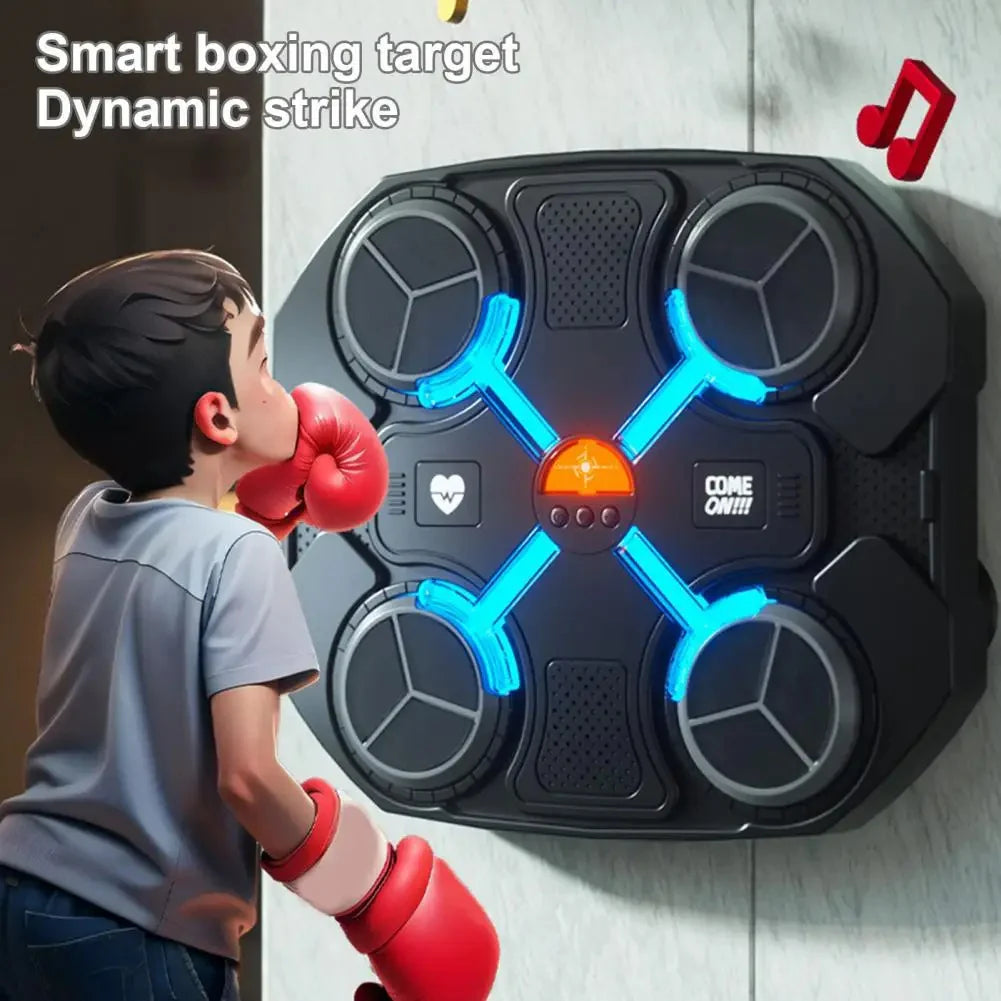
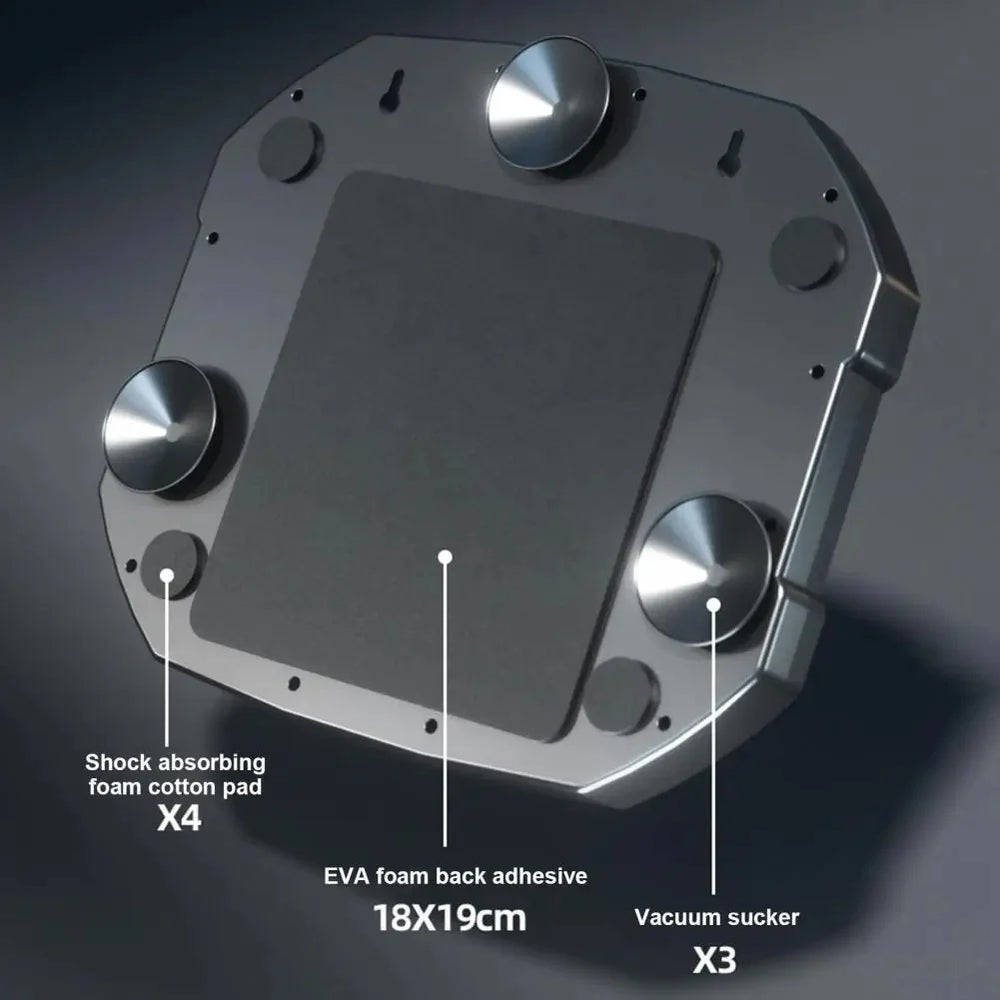
- A boxing target with music, or a flying LED orb, can work indoors on cold days if you clear some space.
For anything with wheels, like scooters, skates or bikes, buy a helmet at the same time. The U.S. Consumer Product Safety Commission advises families to get safety gear, including helmets, for scooters and other riding toys and make sure kids wear it every time.
For gamers
Seven to nine is a sweet spot for tabletop games. Kids can read the rules, plan a move ahead and, with practice, lose without a meltdown. A good game is also one of the easiest ways for a busy family to play together.
The AAP encourages families to choose traditional card and board games, rather than app versions, because they give you and your child a chance to play together.
What to look for
- Short rounds. 10 to 20 minutes is ideal on a school night.
- Some luck, some skill. A little luck lets a child beat an adult fairly. That keeps them coming back.
- Solo options. Logic puzzles and maze cubes give gamers something to do when nobody else is free.
Ideas
- The Wooden Match Stick Memory Chess Game is a quick dice-and-memory game. It is simple enough for a 7-year-old to teach a grandparent.
- A 3D rolling ball maze cube is a good solo challenge for the car or a waiting room.
- Classic strategy games, like checkers and chess, are a great fit for 8- and 9-year-olds who like to plan ahead.
How to choose: a 5-point checklist
- Start with the interest. Which of the five groups above does your child fall into most days?
- Aim slightly above their level. A toy that is a bit hard at first lasts longer than one that is mastered in a day.
- Check who else is at home. Small parts, beads, balloons and magnets need extra care if there is a child under 3 (or a mouthy preschooler) in the house.
- Think about space and noise. Where will this toy actually be used, and when?
- Ask: will they still use it in three months? Open-ended and multi-player toys usually win.
If you have a child at the younger end of this range, our guide to the best toys for 5- and 6-year-olds may help too. You can also browse everything we stock for this age in our toys for ages 3–9 collection.
Frequently asked questions
What do 8-year-olds like to play with?
Most 8-year-olds enjoy toys that let them build something big, master a skill or beat someone at a game. Building sets, science tools, craft kits, active games and board games are all popular. The best choice depends on your child's main interest, so watch what they do on a free afternoon.
Are 7-year-olds too old for magnetic tiles?
No. Many 7- to 9-year-olds still use magnetic tiles, but they build more complex 3D structures, ramps and marble runs. Adding a new set, or mixing tiles with toy cars or figures, often brings them back into play.
What are good toys for 9-year-olds who "have everything"?
Look for a new skill rather than more of the same. A 3D pen, a microscope, a strategy game or a two-player active game introduces something different. Experience gifts, like a class or a day out, also work well at this age.
Do 7- to 9-year-olds still need toy safety checks?
Yes, though the risks change. School-age kids need helmets and safety gear for riding toys, and supervision for anything that heats up. The biggest risks are often to younger siblings, who can get hold of small parts, magnets, beads or balloons.
How many toys does a 7- to 9-year-old need?
Fewer than you might think. A few good toys across different interests, plus some books and art supplies, cover most needs. Rotating toys in and out of storage keeps them feeling new.
Bottom line
For 7-, 8- and 9-year-olds, start with what your child already loves, then pick a toy that is a little challenging and can be played with again and again. Builders want big sets, scientists want real tools, artists want choices, movers want space and gamers want rules. Add a quick safety check for younger siblings, and you will have a toy that gets used long after the wrapping paper is gone.
If you are shopping for the holidays, browse our ages 3–9 toys when you are ready. Our delivery estimate is 5–15 business days after shipping, so we suggest ordering early.